
Key Takeaways
- Task automation reduces repetitive work, giving employees more time for creative and strategic tasks.
- Automation improves accuracy, efficiency, and consistency across workflows.
- Real-world examples, from finance to HR, showcase how automation drives measurable business impact.
- AI-powered tools like Microsoft’s automation solutions make it easier for companies to scale productivity and innovation.
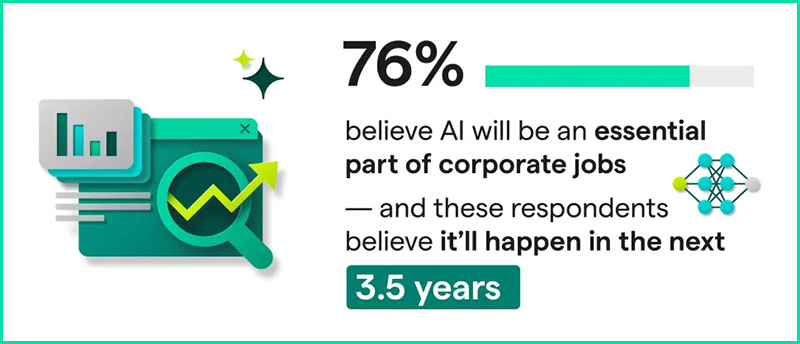
Time is the most valuable resource in today’s business world. Yet, countless hours are often lost to repetitive tasks: sorting emails, entering data, chasing approvals, or compiling reports. These responsibilities, though essential, don’t add strategic value. That’s where task automation comes in, transforming how organizations operate and how employees work.
Far from threatening jobs, automation is proving to be an enabler of creativity, productivity, and satisfaction, allowing employees to focus on what truly matters. When designed with purpose, it doesn’t just make processes faster; it makes workplaces smarter, safer, and more engaging.
Source: New York Post
What Task Automation Means
Task automation refers to the use of technology to handle routine, repetitive, and rule-based activities without requiring constant human intervention. It can be as simple as scheduling an automatic email reminder or as advanced as deploying artificial intelligence to process contracts or analyze customer behavior.
The principle is straightforward: by letting machines do what they do best (follow rules, manage data, and run consistently) people are free to do what humans do best: innovate, problem-solve, and build relationships.
Roughly 60% of companies currently use automation solutions in their workflows. *
* Duke University
The Benefits of Task Automation
1. Greater Productivity and Focus
When employees are no longer bogged down by low-value tasks, they gain more time for strategic work. Instead of spending hours on manual reporting or administrative chores, teams can focus on creative projects, problem-solving, and customer interactions, boosting productivity and workplace engagement.
2. Speed and Scalability
Automated systems handle repetitive tasks at lightning speed, enabling businesses to scale operations without adding equal amounts of manual labor. For growing organizations, this means they can serve more clients, process more data, or manage more transactions without compromising on quality or timelines.
3. Accuracy and Consistency
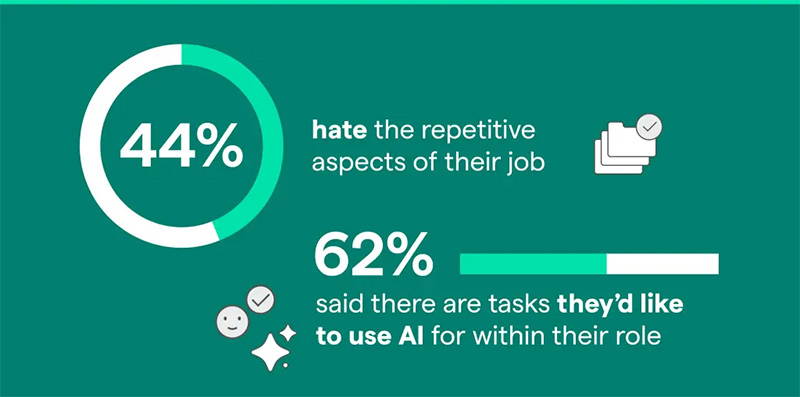
Human errors are natural, especially in repetitive processes like data entry or calculations. Automation eliminates these risks by executing tasks with precision every single time. This reliability improves overall quality, reduces costly mistakes, and ensures consistency across departments and workflows.
Source: New York Post
4. Cost Efficiency
While automation may require an initial investment, it typically delivers significant long-term savings. By reducing manual labor, speeding up processes, and lowering error-related costs, organizations can achieve stronger returns on investment. Over time, automation allows companies to do more with fewer resources, an essential advantage in competitive markets.
5. Happier and Safer Workplaces
Automation also contributes to employee satisfaction. Repetitive or physically demanding work often leads to burnout, boredom, or even workplace injuries. By letting technology handle the dull or dangerous aspects of the job, employees enjoy safer conditions and more stimulating work. As a result, morale improves, and teams feel more connected to the value they’re creating.
6. Stronger Business Agility
In an unpredictable market, businesses must adapt quickly. Automated systems can handle sudden spikes in demand, respond to customer needs faster, and provide leaders with real-time insights for decision-making. This agility helps organizations stay resilient, no matter the challenge.
Automation frees up 82% of sales teams to focus on building stronger client relationships. *
* Salesforce
Real-World Examples of Workplace Automation Tools
Automation is no longer a futuristic concept; it’s happening across industries and departments today. Here are some practical ways organizations are putting automation to work, supporting both business goals and employee well-being:
• Email and Communication Management
Tools that automatically sort, prioritize, and respond to incoming messages help employees maintain inbox control while ensuring clients and colleagues get timely responses.
• Scheduling and Calendar Coordination
Automated scheduling systems remove the back-and-forth of setting up meetings. By syncing with calendars, they find the best times for everyone and send confirmations instantly.
• Finance and Accounting
Invoice generation, expense approvals, and payroll are increasingly handled through automated workflows. This reduces errors and speeds up financial processes while allowing finance teams to focus on forecasting and analysis.
• Human Resources
From screening job applications to onboarding new hires, automation is streamlining HR functions. Employees experience smoother entry into organizations, and HR professionals can focus more on engagement and development.

• Customer Service
Chatbots and virtual assistants handle common inquiries 24/7, freeing human agents to address complex issues. Beyond speed, this also improves customer satisfaction with instant responses.
• Data Reporting and Analytics
Instead of manually gathering and formatting information, teams now rely on automated dashboards that provide real-time insights. Leaders can spot trends, track KPIs, and make informed decisions without delays.
• Logistics and Operations
In warehouses, automation tools assist with inventory tracking, order fulfillment, and even physical tasks like picking and packing. This ensures efficiency while reducing strain on employees.
How to Implement Automation Effectively
While the benefits are clear, automation works best when applied thoughtfully. Here are some guiding principles:
1. Start Small and Scale Gradually
Identify the most repetitive, time-consuming tasks and automate those first. Early wins build confidence and make it easier to expand automation later.
2. Focus on Employee Empowerment
Involve employees in the automation journey. Encourage them to share which tasks slow them down and explore tools that make their lives easier. When people feel included, they’re more likely to embrace change.
3. Measure and Adjust
Track the results of automation efforts (time saved, errors reduced, employee satisfaction) and use these insights to refine processes.
4. Balance Automation with Human Skills
Not everything should be automated. Tasks requiring empathy, judgment, or creativity are better left to humans. The goal is not replacement, but augmentation.

Conclusion: The Future of Work is Human + Machine
Task automation is no longer optional; it’s essential for businesses that want to thrive in an increasingly competitive landscape. By taking over repetitive tasks, automation frees employees to focus on creativity, innovation, and strategic thinking, a human-machine synergy that will define the future of work.
For companies invested in digital transformation, modern automation platforms provide powerful opportunities. Microsoft, for example, offers a suite of AI-powered task automation solutions, including Power Automate, Copilot for Microsoft 365, and workflow integrations with Dynamics 365. These tools help organizations simplify complex processes, optimize decision-making, and accelerate growth.
As a Microsoft partner, Netiks embraces this vision of human + machine collaboration. By integrating intelligent automation into business operations, we empower organizations to achieve efficiency, accuracy, and agility, unlocking new possibilities for both employees and customers.
In the end, the real power of automation isn’t just in doing things faster, it’s in enabling people to do what they do best.